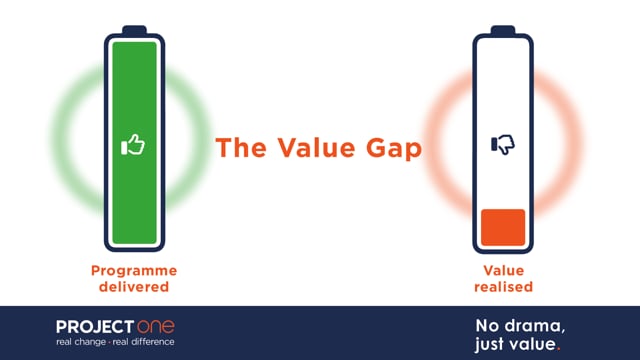
When organisations embark on an SAP S/4HANA transformation, the focus often lands on technology. Getting the system configured, tested and live on time and within budget. However, success of an SAP S/4HANA programme isn’t defined by the technology itself, it’s defined by the people who use it. The real challenge isn’t just switching on a new system, it’s creating the right environment for people to adapt, engage and thrive.
S/4HANA transformations are, at their core, business transformations, not IT upgrades. The programme’s success depends on whether sponsors, line managers and end users have the mindset, support and space to make the change real. That’s why the focus must extend beyond system readiness to people readiness; creating the conditions and environment that enable people to not just cope with the change but drive it.
It’s mindsets, behaviours and culture that ultimately determine whether an SAP S/4HANA transformation delivers real, sustainable business value.
Why the environment matters
In every transformation, the environment is the invisible force that determines whether people survive the change or succeed through it.
Environment refers to the collective conditions; cultural, emotional and operational, that shape how people experience change. It’s the climate the either fuels motivation and ownership or breeds resistance and fatigue.
How the right environment can make the difference:
- Builds trust and psychological safety
- Encourages curiosity and learning
- Connects effort to purpose
- Sustains energy through the tough times
- Makes new behaviours the default, not the exception.
Get the environment right, and you unlock the human potential that turns a system upgrade into a genuine business transformation.
How to create the right environment
Set the foundations
There are some principles that need to be established before starting out on an SAP S/4 programme:
- Start with clarity of purpose: teams need to understand why the organisation is transforming. It shouldn’t be just that SAP is being upgraded. Framing S/4 as a strategic enabler of business performance, whether that’s improving operational efficiency, strengthening data-driven decision making or enabling future growth. Anchor the change to something meaningful for people.
- Enable psychological safety and trust: people need to feel safe to ask questions, admit uncertainty, and raise concerns without fear of blame. Too often, fast-paced programmes leave little space for openness, yet it’s essential for surfacing risks early and building real engagement.
- Align leadership and culture: if leaders treat S/4 as an IT upgrade, that’s the tone the organisation will follow. People absorb cues from how leaders behave and react.
Mindsets needed for success
S/4HANA transformations demand a shift not only in processes but in how people think about their work. The environment needs to encourage and reward ways of thinking that align with a digital, data-driven enterprise.
- From ownership to accountability: S/4 is a single source of truth. That means data accuracy, process compliance, and system discipline are shared responsibilities. People must take ownership for the information they enter and the decisions they make. Leaders can reinforce this by linking behaviours to business outcomes and showing how good data fuels performance, forecasting and efficiency.
- From local practices to enterprise thinking: S/4 removes silos. Success means understanding how one function’s choices can impact another’s i.e. planning affects procurement, procurement affects manufacturing etc. Helping teams see the end-to-end process builds collaboration across the business.
- Digital first: people need to see the system as the first port of call, not a parallel option. This mindset creates trust in the data and consistency across teams. It also minimises the risk of any ‘shadow spreadsheets’ creeping back in.
- Curiosity over comfort: change programmes can easily trigger feelings of uncertainty and anxiety. People worry about losing control, credibility or competence. A healthy environment encourages curiosity over fear, in the face of change. Leaders can reinforce this by framing the transformation as an opportunity to explore the potential that the change will enable.
- Resilience and grit: S/4 programmes are long, complex and often challenging. People experience change fatigue, especially when transformation sits alongside day-to-day operations. The most successful environments build collective resilience, helping people sustain energy and focus over the long haul. That means celebrating progress, pacing the change and supporting mental and physical wellbeing as much as performance.
The role of line managers and sponsors, and how to support them
Change doesn’t happen in steering committees. It happens in conversations between line managers and their teams, in how they interpret, model and reinforce the change every day.
For line managers, the S/4HANA transformation journey can feel daunting. They’re often caught between programme demands and the realities of keeping operations running, yet they are the most influential change agents in the organisation.
To create the right environment, they need:
- Clarity: simple, consistent messages about what’s changing and why.
- Confidence: role-based support FAQs and time to get comfortable with the system themselves.
- Capability: training in how to coach and lead their teams through. uncertainty. Invest in their capability early, they’ll make or break adoption.
- Connection: direct links into the programme team so feedback flows both ways.
When line managers are equipped and empowered, they become the bridge between the programme and the people who adopt the solution.
Sponsors play a different but equally critical role. They set the tone for the entire change environment. They’re responsible for sustaining belief in the vision and making tough calls when delivery pressures rise.
People take their cues from what sponsors say and what they do. If sponsors treat the S/4HANA programme as a technical upgrade, the rest of the organisation will too. However, it they consistently link S/4 to business strategy, growth, efficiency, and customer experience, they reframe it from an IT project to enterprise transformation.
Sponsors can shape the environment by:
- Talking about S/4HANA in business language, not just system language
- Showing up visibly and regularly at milestones, town halls and team meetings
- Sharing their personal learning journeys to normalise vulnerability and curiosity
- Asking questions that connect S/4 adoption to tangible outcomes.
Leadership consistency builds psychological safety and purpose, the cornerstones of an effective change environment.
From Day 1 to Day 2: sustaining success
Go live is an achievement, but it’s also a risk point. The first few months after cutover are when fatigue peaks, support structures are stretched, and productivity can dip.
Day 1 is about getting everyone onto the system on time, on budget and without breaking the operation.
Day 2 is about helping them thrive on it; optimising, improving and realising the business benefits.
How to sustain momentum:
- Plan for Day 2 early: build post go-live support and engagement into your change roadmap from the start
- Focus on learning, not just training: people don’t need to memorise the system, they need to understand how it helps them do their jobs better
- Empower super users: equip internal champions who can guide peers, troubleshoot issues, and feed insights back into continuous improvement
- Keep telling the value story: show how the change is delivering real results, faster planning cycle, cleaner data, smoother handoffs.
Day 3 is when behaviours start to embed, and culture begins to shift. Without a deliberate plan, the environment can revert to old norms and the benefits of S/4 go unrealised.
In summary
Creating the right environment for change success on an SAP S/4HANA programme isn’t about slogans or frameworks, it’s about people, and the conditions that allow them to adapt, contribute and succeed.
That environment is shaped by mindsets, leadership behaviours and cultural signals. S/4HANA will transform your systems, but your people can transform your business.
Do you need Change Management expertise?
At Project One, our team of change experts and Transformers all have a minimum of 15-20 years of experience in leading complex change and transformation programmes, across all sectors. If you are facing a similar challenge and would like some guidance or just a sounding board, please get in touch

 How drama free is your change programme? take our free programme health check
 Our change and transformation Podcast Listen to our latest Podcast