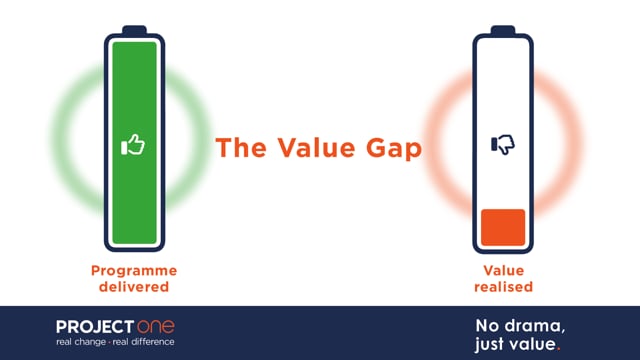
Essentially people can make or break the effectiveness of your change.
Over the past few years, the pace of change has accelerated significantly, driven by factors such as digital transformation, market disruption, changing workforce dynamics and evolving customer expectations. This rapid rate of change has made it increasingly challenging for organisations to predict and navigate change effectively, resulting in an increased need for Change Management.
Change Management is the discipline that guides how we prepare, equip and support people to effectively adopt change, enabling delivery of successful outcomes.
People play a critical role in the successful implementation of change and transformation. People shouldn’t be perceived as passive recipients of change; but as active participants who can drive, shape, and ultimately determine the success of change initiatives. Change Management is centred around helping people navigate their journey through change.
By recognising the pivotal role that people play in implementing and embedding change and addressing both their potential as drivers of success and sources of resistance, organisations can increase the likelihood of achieving their intended outcomes and sustaining benefits over the long term.
8 signs that you need Change Management as part of your transformation programme.
It’s crucial to invest in Change Management as part of any programme or project where there are significant changes involved. These are the red flags to look out for to help recognise whether Change Management is required:
1. Unclear vision: if the vision or objectives of the programme are unclear or constantly changing, it can lead to confusion and frustration among stakeholders. Change Management processes facilitate the development of clear, specific, and measurable objectives, defined through engagement with stakeholders.
Action: Articulating the purpose, benefits and expected outcomes of change, in a compelling manner, is vital to fostering understanding, alignment and engagement with stakeholders.
2. Resistance from stakeholders: if you notice resistance or pushback from stakeholders, it is a clear sign that Change Management is needed. Understanding the underlying root causes of resistance is key to being able to address them.
Action: Conducting stakeholder focus groups is an effective tool to gather feedback and insights into their concerns and fears. Involving stakeholders in the change process can help mitigate resistance and increase buy-in. Change Management encourages co-creation and active participation through every stage of the change process.
3. Complexity of the change and anticipated impact: programmes involving complex changes, such as technology transformation, process reengineering, or organisational restructuring, require robust Change Management processes. Complexity increases the likelihood of resistance and unforeseen challenges.
Action: Conducting a change impact assessment across various aspects of the organisation including people and culture, processes, technology and data, helps identify potential risks, challenges and opportunities associated with the change. Change impact analysis is vital in defining what the changes mean, which areas, and which roles are impacted and how, and is a tool that should be revisited throughout the change process, allowing for ongoing evaluation and reassessment of the impact of change, making adjustments to change intervention plans as needed.
4. Significant impact on the organisational structure: when proposed changes have the potential to significantly impact the organisational structure, culture, values, or ways of working, effective Change Management becomes essential. Organisational change can have a profound impact on people, influencing their emotions, job satisfaction, skills, relationships, and career opportunities.
Action: Effectively managing this type of change requires empathy, clear communication, support, and a focus on building resilience and adaptability among employees. By recognising and addressing the impacts of change on people, organisations can increase the likelihood of successful change implementation and create a culture that embraces innovation, growth, and continuous improvement.
5. Uncertainty or confusion: uncertainty and confusion are common challenges in Change Management processes. They can arise due to various factors such as lack of clarity about the reasons for change, ambiguity regarding the desired outcomes, confusion about roles and responsibilities, or uncertainty about how the change will impact individuals and teams.
Action: clarifying roles and responsibilities is crucial, as it ensures that everyone knows their responsibilities during the change process. This not only prevents confusion but also fosters accountability and collaboration. Moreover, promoting engagement by involving stakeholders in the change process empowers them and gives them a sense of ownership, making them more likely to embrace the change positively.
6. Lack of Communication: effective communication is essential during times of change. If there is a lack of communication or if information is being withheld, it can lead to rumours, misinformation, and increased resistance. Change Management ensures that clear and transparent communication channels are established and maintained throughout the process.
Action: clear communication is fundamental to enable the effective management of change. Take time to consider a variety of communication channels, that will reach all different types of stakeholders, and ensure your materials are eye-catching, informative and engaging. Effective communication and engagement help to mitigate resistance to change. By involving stakeholders early in the process, addressing their concerns, and keeping them informed about the reasons for the change and its expected benefits, organisations can minimise resistance and increase receptivity to the change.
7. The big four – missed deadlines, budget overruns, scope changes and outcomes not achieved: a lack of Change Management cannot just significantly impact the overall success of a project or programme, but it can actually exacerbate the “big four” challenges mentioned above. Change management processes ensure that stakeholders are aware of the implications of proposed changes on project timelines and mitigates the risk of unanticipated changes which could disrupt project schedules, leading to missed deadlines and costly overruns.
Action: Effective stakeholder engagement, communication, and buy-in, increases the likelihood of successful change outcomes by ensuring that stakeholders are invested in the project’s success and committed to its objectives. Start with identifying the stakeholders who are impacted by the change, this includes those who have a vested interested in the transformation or who will be impacted by its outcomes. Take time to understand their needs and concerns. Conduct stakeholder analysis to assess their level of influence, their attitudes towards the change and the potential impact it will have on them. Engage your stakeholders early and often, incorporating their ideas into decision making. Finally, cultivate strong relationships with stakeholders based on trust, respect, and open communication.
8. Inefficient adoption of new processes or technology: if employees are struggling to adopt new processes or technology, it may be a sign that proper training and support are lacking. Change Management helps to identify training needs and ensures that employees have the resources and support they need to succeed.
Action: Collaborate with your stakeholders to define user adoption metrics, taking into consideration; 1) user engagement and interaction levels; 2) user proficiency; 3) user satisfaction; 4) usage metrics; and 5) time to proficiency. Set out transition plans that exceed your programme go-live date, outlining the vision as adoption continues to increase, and remember to celebrate achievements as you progress through each stage of the transition.
Do you need Change Management expertise?
The ability to lead, manage, and sustain change has never been more crucial. Successfully managing change requires experience, expertise, adaptability, empathy and a passion for working with people to make a real difference. Whether you’re implementing technology, process or structural change, at Project One our team is made up of highly skilled Change Management transformers who can make a significant difference to the effectiveness and success of your next change programme.
Get in touch with us via theteam@projectone.com to explore how we can help you with you define your change management requirements.

 How drama free is your change programme? take our free programme health check
 Our change and transformation Podcast Listen to our latest Podcast