The forces reshaping business today and how leaders can turn them to competitive advantage
Organisations face an unprecedented combination of factors that are accelerating the pace of business transformation. External drivers include:
- evolving customer behaviour
These are changing how organisations compete. At the same time, internal pressures such as operational complexity, strategic repositioning and workforce expectations are reshaping how companies operate.
The result is an environment where transformation is no longer a one-off initiative but an integral part of doing business.
This article explores the most significant drivers of change and examines how they influence transformation initiatives. It also outlines how organisations can build change capability and take a structured approach to navigate an increasingly complex environment. Turning disruption into a competitive advantage.
The pace of organisational change is accelerating
The drivers of change shaping today’s market are evolving faster than many organisations can respond. Rapid technological advancement, economic volatility and changing customer behaviour are redefining competitive landscapes across all industries.
Artificial intelligence and automation are transforming how organisations operate, from customer service and supply chain management to product development and data analytics. At the same time, global supply chains have become more fragile, forcing companies to rethink sourcing strategies and operational resilience.
These developments illustrate a broader shift in the nature of business transformation. Historically, transformation programmes were launched in response to a specific trigger, such as a merger, regulatory change or major technology upgrade. Today, transformation is becoming continuous.
Organisations must simultaneously respond to multiple change factors, many of which originate outside their control. Understanding the interaction between internal and external drivers of change is essential for leaders.
Change is coming from multiple directions
Although many organisations recognise the need to transform, they often struggle to identify the true drivers behind change.
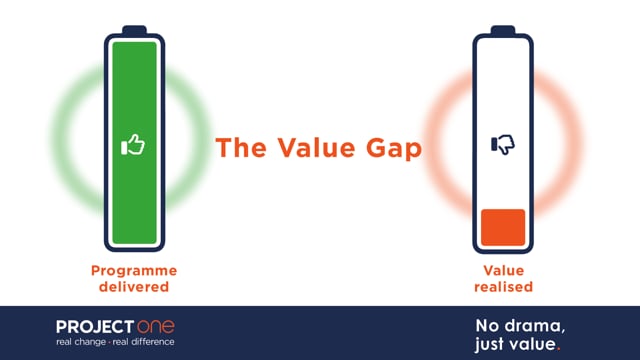
External forces such as digital disruption or regulatory change often expose internal limitations including inefficient processes, outdated systems or skills gaps within the workforce. When organisations address only one dimension of change, transformation efforts can lose momentum or fail to deliver lasting value.
To respond effectively, organisations must understand the key drivers of change shaping their environment.
External drivers of change
External drivers originate outside the organisation but often have profound strategic implications. These forces require organisations to adapt quickly to remain competitive.
- Technological innovation: Technology is one of the most powerful drivers of change affecting organisations today. Advances in artificial intelligence, automation and advanced analytics are transforming both customer facing services and internal operations. Many organisations are now integrating AI tools into decision making processes, enabling predictive insights that improve operational efficiency and customer engagement. Automation technologies are also reducing manual workloads, allowing employees to focus on more strategic and creative activities.
However, technological innovation also raises competitive expectations. As new capabilities become widely available, organisations must continuously upgrade systems and develop new digital skills to remain competitive.
- Supply chain disruption and global uncertainty: In recent years, global supply chains have faced significant disruption due to geopolitical tensions, economic volatility and logistical challenges. These pressures have highlighted the importance of supply chain resilience.
Many organisations are redesigning their supply networks by diversifying suppliers, investing in digital monitoring technologies and relocating production closer to key markets. Predictive analytics tools now allow companies to detect potential disruptions, such as shipping delays or weather-related risks, before they impact operations.
- Changing customer behaviour: Customer behaviour has evolved rapidly as online platforms reshape how people interact with brands. Consumers now expect seamless digital and physical experiences, personalised services and faster response times.
As a result, organisations are investing heavily in online platforms and data-driven capabilities. Technologies such as AI powered recommendation engines, virtual product experiences and real-time customer support tools are becoming increasingly common.
- Regulatory and sustainability pressures: Regulatory change continues to influence organisational strategy, particularly in highly regulated industries such as finance, pharmaceuticals and energy.
At the same time, sustainability expectations are increasing across markets and decreasing in others. Governments, investors and consumers are demanding greater transparency around environmental, social and governance (ESG) performance. Meeting these requirements often requires organisations to redesign processes, enhance data reporting capabilities and implement new governance structures.
Internal drivers of change
While external pressures often initiate transformation, internal factors frequently determine the urgency and scope of change initiatives.
- Operational complexity and inefficiency: As organisations grow, operational structures often become more complex. Legacy systems, manual processes and siloed departments can limit efficiency and slow decision making.
To address these challenges, organisations are investing in digital platforms, automation technologies and integrated data systems that streamline workflows and improve visibility across operations. These initiatives often act as catalysts for broader business transformation.
- Strategic repositioning: Organisations frequently transform in response to strategic shifts such as entering new markets, expanding product portfolios or transitioning to new business models.
These changes require adjustments across organisational design, technology infrastructure and talent capabilities. For example, companies adopting digital platforms may reorganise teams around product-based structures and introduce agile ways of working.
- Workforce expectations: The workforce itself has become an increasingly important internal driver of change. Hybrid and remote working models have altered expectations around flexibility and collaboration. At the same time, employees increasingly prioritise purpose, development opportunities and meaningful engagement with their organisations.
To attract and retain talent, organisations must rethink leadership approaches, organisational culture and career development strategies.
How can organisations respond effectively?
When multiple drivers of change emerge simultaneously, organisations often struggle to prioritise transformation initiatives. Many change programmes fail because organisations treat transformation as a collection of isolated projects rather than a coordinated strategy. Technology upgrades, process improvements and organisational restructuring may occur independently, creating fragmented outcomes.
This approach can result in misaligned priorities, underutilised technology investments and transformation fatigue among employees. The key challenge for leaders therefore becomes one of identifying the most important change factors and translating them into a coherent transformation strategy.
Building a structured approach to change and business transformation
Organisations that successfully navigate today’s environment take a structured approach to change. Rather than reacting to individual disruptions, they develop capabilities that allow them to manage continuous change.
Identify and prioritise key drivers of change: Leaders should regularly assess both internal and external factors shaping their operating environment. Analysing technological trends, regulatory developments and internal performance indicators enables organisations to anticipate change rather than simply react to it.
Align transformation with strategic objectives: Transformation initiatives should directly support long term organisational goals such as growth, operational excellence or improved customer experience. Alignment ensures that change initiatives reinforce each other and deliver measurable value.
Integrate people, process and technology: Sustainable transformation requires coordinated change across three critical areas:
People leadership, culture and skills development
Processes governance structures and operational workflows
Technology digital platforms and data infrastructure
Organisations that address all three dimensions simultaneously are more likely to achieve lasting transformation outcomes.
Strengthen change management capabilities: Successful transformation ultimately depends on people. Clear communication, leadership alignment and employee engagement are essential for sustaining momentum during change initiatives. Organisations that embed change management capabilities into their operating models are better equipped to adapt to future disruptions.
Turning drivers of change into competitive advantage
The pace of change shaping today’s business landscape is unlikely to slow down. Technological disruption, economic volatility and evolving workforce expectations will continue to challenge traditional operating models. In an environment defined by constant change, the organisations that succeed will be those best equipped to respond to the drivers of change.
For leaders, the challenge is not simply responding to individual disruptions but building organisations capable of adapting continuously. By aligning strategy, operations, technology and people around a shared vision; disruption can be turned into long-term competitive advantage.
If you’d like to unlock the full potential of your business transformation or just need a sounding board with our change experts, contact us today to discover how we can help you achieve your goals theteam@projectone.com.

 How drama free is your change programme? take our free programme health check
 Our change and transformation Podcast Listen to our latest Podcast