How can we use experiential learning to help companies land change well? This includes ensuring employees internalise and sustain new behaviours, skills, and ways of working. The goal is to ensure change is fully adopted and endures over time.
Why traditional change approaches can fall short
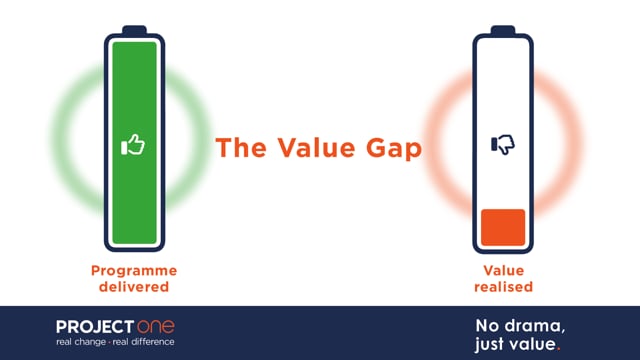
Despite best efforts, change programmes can falter after implementation. Training sessions are delivered, processes updated, communications sent out – but the actual behaviour shift on the ground is slow or patchy, or people revert to prior ways. Why?
Because information alone isn’t transformation.
People don’t internalise new ways of working by reading about them or listening to a presentation. They do so by practicing them, reflecting on their experience, receiving feedback, and iterating in real time. They need to live the change – not just learn about it. No one ever learnt to drive or become a surgeon by learning theory alone!
From passive recipients to active participants
Experiential learning methods – simulations, role-play, scenario-based workshops, and project-based coaching – immerse individuals in realistic, emotionally resonant environments where they can:
- practice new behaviours in a safe setting;
- experience the benefits and consequences of those behaviours;
- reflect on what works and what doesn’t;
- apply the learnings in their day-to-day work.
In any transformation or system implementation, there’s a crucial step that often determines the success or failure of adoption: bringing the change to life for end users. It’s not enough to communicate or train on new processes, people need to experience them. When colleagues can see, feel, and try out what the change means in practical terms, they’re far more likely to engage, absorb, and adopt.
This moves individuals from passive recipients of change to active agents of change.
Helping people assimilate change
Change isn’t just about implementing new systems or structures; it’s about helping people adopt new ways of working, mindsets, skills, and behaviours. Experiential learning supports this process by:
- building familiarity and comfort with the unfamiliar;
- making abstract principles tangible through hands-on experience;
- encouraging peer learning and shared ownership of the change;
- identifying resistance early so it can be constructively addressed.
For example, a simulation that mirrors a new cross-functional process can help staff understand interdependencies, try out new roles, and test decision-making approaches – all before the process goes live.
Here are a few examples of experiential learning that we’ve used across various engagements to help land change and embed new ways of working.
UAT as a learning opportunity
User Acceptance Testing (UAT) can be more than box ticking to confirm a solution works. It can be a great opportunity to involve users in running new processes and experience how the new system fits into their day job. It’s one of the earliest chances to bring theory to life – to follow the flows, spot gaps, and get a feel for the new solution. When people take part in UAT, they often emerge as advocates for the change because they’ve been part of shaping it.
Sand pits for hands-on exploration
After UAT, test environments can be repurposed as “sand pits” – safe spaces where users can explore the new system without the pressure of going live. On a current project, we’ve done just that: converting the UAT environment into a sandbox for our network of change champions. It gives them the freedom to play, experiment, and figure out the best ways to work with the application – helping them build confidence and skills before wider deployment.
Process rehearsals for end-to-end testing
When implementing new ways of working, it’s not just about the system – it’s the complete process, including all the human and offline elements. In a current project we’re delivering the out-of-the-box apps have been configured and tested – but we’ve gone further with process rehearsals that simulate real-world scenarios. Our change champions brought in operational colleagues to run these rehearsals, which revealed important gaps – especially in communications, offline tasks, and handovers across business functions.
Interactive and engaging training
Training must go beyond PowerPoint. Whether in-person or virtual, interaction makes a difference. In classroom settings, exercises, role-play, and walkthroughs help reinforce concepts. Virtually, that might mean using simulations, videos, or animations. On a recent programme we enhanced the training with animations to make the learning experience more engaging and memorable – helping teams better retain and apply what they’ve learned.
Shadowing and site visits for real-world context
Sometimes, the best way to understand a new role or capability is to see it in action. A recent project helping a business to take on the challenge of manufacturing new products for the first time. To support this, staff went on factory visits to sites run by the parent company that had already introduced the new lines. Some staff undertook six-month secondments to shadow experienced teams. This kind of immersive learning proved invaluable in transferring knowledge and accelerating capability.
Boosting confidence and capability
One of the biggest barriers to change adoption is a lack of confidence. People often hesitate to try new ways of working for fear of making mistakes or appearing incompetent. Experiential learning builds psychological safety by allowing them to practise, fail, learn, and improve – without real-world consequences.
Project-based coaching based around the new business processes and ways of working – allows teams to apply new frameworks to live business challenges while being supported by an expert coach. This not only builds competence but accelerates the transfer of learning to actual performance.
Making change stick
Experiential learning doesn’t just help change land – it helps it endure.
By embedding new habits and ways of thinking through repeated practice and reflection, these methods support long-term behavioural change. They also help create internal champions who can model and reinforce the new behaviours among peers.
Organisations that invest in experiential learning during change programmes typically see:
- faster and more consistent adoption of new ways of working
- greater employee engagement and ownership
- stronger alignment between intent and execution
- a more resilient and adaptable workforce.
Embedding experiential learning in change programmes
To bring experiential learning into your change efforts:
- plan experiential elements into the approach, not as an afterthought
- develop material with stakeholders – ensure scenarios are relevant and rooted in operational realities
- invest in facilitation – the impact of these experiences relies on skilled debriefing and coaching
- allow time for reflection – learning solidifies when people make meaning of their experience
- encourage and act on feedback – people will invest more of themselves if they know they are being listened to
- integrate with the real work – link simulations directly to the changes being implemented.
Conclusion: doing is learning
Organisations that want their change programmes to stick must stop treating people as passive recipients of transformation. Instead, they must equip them with the opportunity to experience, experiment, contribute to, and apply change in meaningful, supported ways.
Change isn’t something people learn about – it’s something they learn to do. And the best way to do that is through experience. Making change real means creating opportunities for people to engage actively with the new ways of working. Whether through rehearsals, sand pits, or shadowing, the goal is always the same: to build confidence, uncover hidden gaps, and prepare the business for a smoother transition. The more hands-on and immersive the experience, the more successful the change.
Experiential learning turns insight into action. And that’s where real change begins, and how it endures.
If you’d like to discuss your change programme or just need a sounding board, contact us today to discover how we can help you achieve your goals.
theteam@projectone.com.

 How drama free is your change programme? take our free programme health check
 Our change and transformation Podcast Listen to our latest Podcast