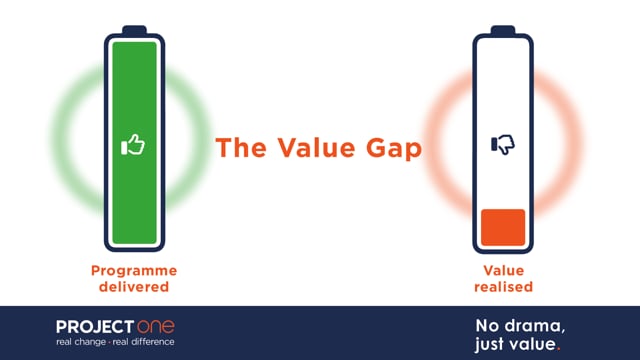
Complex change rarely fails because the strategy was flawed or the technology didn’t perform as expected. Too often it fails because the right people were not engaged in the right way at the right time.
In large scale, high-stakes transformation programmes, organisations operate within complex stakeholder environments. Executives, managers, subject matter experts, frontline teams and external partners all experience the change differently. They have different levels of influence, different concerns, and different capacities to absorb change. Navigating this complexity requires more than good intentions or broad communication. It requires deliberate stakeholder analysis.
Stakeholder analysis is one of the most powerful, and often underestimated, tools in effective change management planning. Done well, it enables targeted engagement, supports change leadership effectiveness, and significantly increases the likelihood that change will be adopted and sustained.
What stakeholder analysis really means in change management
Stakeholder analysis is the structured process of identifying and understanding individuals and groups who are impacted by a change, or who can influence its success. In the context of Change Management, it is less about cataloguing names and more about developing insight into how change will be experienced across the organisation.
At its core, stakeholder analysis helps change leaders answer fundamental questions:
- Who will feel this change most acutely?
- Who has the power to shape outcomes?
- What will each group need to successfully adopt new ways of working?
This distinction is important. Stakeholder analysis is not an administrative exercise or a one-off deliverable. It is a strategic input that informs change approach, engagement planning, sponsorship activity and risk management throughout the life of a programme.
Why stakeholder analysis matters in complex change management
Complex change introduces uncertainty, disruption and competing priorities. In these environments, assumptions about stakeholder behaviour often prove unreliable. Without a clear understanding of stakeholder dynamics, organisations tend to default to engaging the most senior or most vocal individuals, while overlooking quieter but equally influential groups.
This can lead to predictable problems:
- Resistance emerging late in the programme
- Inconsistent leadership messages
- Disengaged managers
- End users who feel change has been done to them rather than with them.
Effective stakeholder analysis creates focus. It allows change teams to direct effort where it will have the greatest impact, tailor engagement approaches, and anticipate challenges before they escalate. Rather than treating all stakeholders the same, it enables a differentiated approach grounded in reality.
Understanding change stakeholders beyond structure
One of the most common mistakes in stakeholder analysis is relying too heavily on organisational charts. Formal authority does not always equate to influence, particularly during change.
In complex transformations, influence often sits with long-tenured employees, trusted technical experts, respected managers or informal leaders who shape opinion through credibility rather than hierarchy. These individuals may not hold decision-making power, but they strongly influence how change is perceived and adopted by others.
Stakeholder analysis helps surface these informal dynamics. It encourages change leaders to look beyond titles and consider who people listen to, who they trust, and who they turn to when uncertainty arises. This understanding is critical to designing engagement that resonates.
Mapping influence and impact
At the heart of stakeholder analysis is the relationship between influence and impact.
Impact refers to: how significantly a stakeholder’s role, responsibilities or ways of working will change.
Influence reflects: the extent to which that stakeholder can affect decisions, behaviours or outcomes, either directly or indirectly.
In complex change, high-impact stakeholders with low formal influence often present the greatest risk if they are not adequately supported. Equally, highly influential stakeholders who are less directly impacted can still shape the narrative and determine whether change management is reinforced or resisted.
By mapping stakeholders across these dimensions, change leaders gain clarity on where focused engagement is essential, where monitoring is sufficient, and where additional support may be required.
From stakeholder analysis to stakeholder engagement
The real value of stakeholder analysis lies in how it informs stakeholder engagement.
Effective engagement is purposeful. It is designed around what different stakeholders need in order to understand, accept and adopt the change, not simply to be informed about it. Stakeholder analysis provides the insight needed to tailor that engagement appropriately.
For senior leaders, engagement may focus on alignment, confidence and decision-making clarity.
For managers, it may centre on translating change into day-to-day reality and equipping them to lead their teams through uncertainty.
For end users, it often requires reassurance, involvement and practical support as new ways of working are introduced.
Without stakeholder analysis, engagement risks becoming generic and transactional. With it, engagement becomes targeted, relevant and far more effective.
Stakeholder analysis as an ongoing discipline
Another common misconception is that stakeholder analysis is something completed at the start of a programme and then filed away. In reality, stakeholder dynamics evolve throughout a change journey.
As programmes progress, influence shifts, new stakeholders emerge, leadership roles change and organisational context evolves. A stakeholder who was initially neutral may become resistant as impacts become clearer. Others may grow in confidence and influence as the change takes shape.
High-performing change teams treat stakeholder analysis as a living discipline. They revisit and refresh their understanding at key points, using it to recalibrate engagement and mitigate emerging risks.
Avoiding common pitfalls
Even experienced teams can undermine stakeholder analysis by treating it as a tick-box exercise. Common pitfalls include:
- Confusing awareness with engagement
- Underestimating the role of middle managers
- Failing to equip sponsors with the insight they need to engage effectively.
Perhaps the most damaging mistake is not linking stakeholder engagement to adoption outcomes. Engagement is not an end in itself; it is a means to support behaviour change. Stakeholder analysis should always be connected back to what needs to be different for the change to succeed.
In complex change, success is shaped by people; their influence, their experience and their willingness to change.
Stakeholder analysis provides the foundation for understanding that human landscape. It enables more thoughtful change management planning, more effective engagement, and stronger leadership impact. When used deliberately and revisited regularly, it significantly improves the likelihood that change will not only be delivered, but truly embedded.
In an environment where transformation is constant and complexity is the norm, the ability to map influence and impact is no longer optional. It is a core capability for anyone leading change.
Do you need Change Management expertise?
At Project One, our team of change experts all have a minimum of 15-20 years of experience in leading complex change and transformation programmes, across all sectors. If you are embarking on or already delivering a transformation programme and would like some guidance or just a sounding board, please get in touch.

 How drama free is your change programme? take our free programme health check
 Our change and transformation Podcast Listen to our latest Podcast