From Go-Live to Greatness: Making Change Management the Powerhouse of S/4 Success
When organisations embark on an SAP S/4HANA transformation, it’s tempting to frame it as a technology upgrade:
- New system
- Faster processes
- Cleaner data
Tick the IT box and move on.
SAP S/4HANA transformation isn’t just about IT, it’s a once in a generation opportunity to reinvent your business.
That opportunity only becomes real when people embrace new ways of working, make better decisions with data and use S/4 to drive business outcomes.
But that doesn’t happen by chance. It happens through structured Change Management; the bridge that helps people turn new technology into new and effective behaviours, mindsets and ways of working.
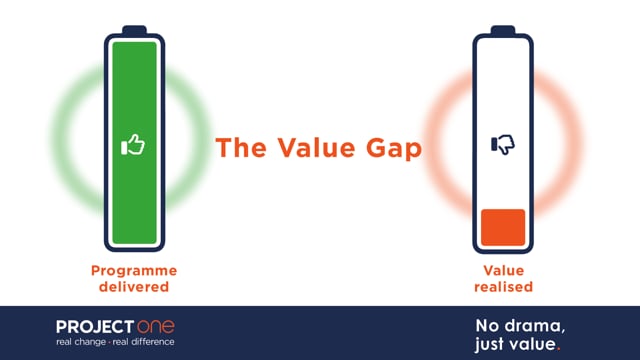
Without Change Management, S/4 risks being just another IT system: underused, misunderstood, and never delivering the ROI promised in the business case. With Change Management, it becomes the digital backbone of the enterprise, the platform where process excellence, data-driven decision making and cross-functional collaboration come to life.
That’s why Change Management isn’t just a project activity – it’s the powerhouse that moves an organisation from simply going live to truly being great.
Shifting the narrative: more than a system upgrade
If people see S/4 as just a system upgrade, they’ll treat it like one – something to endure rather than an opportunity to embrace.
If you frame it as a chance to solve pain points, simplify work, and unlock cross-functional value, you create energy, excitement and desire to adopt.
This is where the journey to greatness begins – not with the system being switched on but with people switching on to the value it can bring. How?
Make it Personal: show teams the ‘what’s in it for me’ (WIIFM):
Employees generally don’t care that S/4 has an in-memory database or embedded analytics. They’ll engage because it makes their jobs easier, reduces frustrations and gives them more time for meaningful work.
One of the biggest reasons employees resist ERP transformations is because they can’t see how it connects to their day-to-day tasks. The business case may talk about efficiency, speed or compliance, but unless people understand how it makes their lives easier, they’ll treat S/4 as an added burden.
How to bring this to life:
- Define the ‘what’s in it for me’ (WIIFM). Translate benefits into personal impact e.g. “less time on manual approvals, more time for value-added work”.
- Use role-based learning to highlight specific impacts for different functions.
- Spell out Stop/Start/Continue behaviour changes e.g. “stop downloading reports into Excel, start trusting real-time dashboards”.
- Anchor every WIIFM back to why it matters for customers, compliance or competitiveness.
- When every employee can articulate why S/4 matters to them personally, adoption stops being a push and starts being a pull.
Make it Human: use stories, not just process maps:
ERP transformations often drown people in jargon, swim lanes and process diagrams. Useful for design workshops, but not for sparking engagement, humans connect through stories, not spreadsheets.
How to bring this to life:
- Harness the power of storytelling. Share before and after stories that make change tangible e.g. “right now it takes 3 days to create this report, with S/4 it will take 3 clicks”.
- Share stories of current pain points and how S/4 addresses them.
- Spotlight Change Champions who share their own learning journey. Harness peer-to-peer, not just top-down messaging.
- Use metaphors and analogies e.g. moving from black and white TV to Netflix. Once people experience it, they won’t want to go back.
- When people can feel how their pain points are being solved, excitement follows.
Make it Visible: leaders modelling the change
Indifference is the silent killer of ERP adoption. Leaders may nod along but if they don’t actively sponsor and role model change, employees won’t either.
Change doesn’t stick because it’s mandated – it sticks because it’s modelled. Employees watch their leaders closely; if they see them engaging with the system, asking the right questions, and reinforcing the new behaviours, adoption accelerates. If leaders default to old ways of working, so will everyone else.
How to bring this to life:
- Equip leaders with simple talking points and stories they can share in town halls and team huddles. Encourage leaders to share their personal stories and show vulnerability – admitting their own learning journey makes it easier for teams to engage.
- Celebrate quick wins publicly, led by leadership, to build momentum. Recognise teams that demonstrate new behaviours.
- Hold leaders to account for adoption metrics in their functions.
- Leadership visibility is one of the strongest predictors of ERP adoption success – when leaders lean in, people follow.
From Go-Live to Greatness
Go-live isn’t the finish line, it’s the starting line for adoption. The first 100 days post go-live are critical for embedding behaviours, reinforcing new ways of working, and preventing any slippage back to old habits.
Making it stick means:
- Tracking adoption, not just transactions: measure how people are using the system, not just whether it’s being used.
- Embedding cultural and mindset shifts: drive digital-first thinking, data ownership and accountability. S/4 is as much about mindset as system use.
- Building internal capability: equip business Super Users and Change Champions to sustain momentum after the programme ends.
- Reinforcing the change: create a “100 days after go-live” adoption playbook, focusing on reinforcement, problem-solving and celebrating success stories.
If you want to move from go-live to greatness, don’t just invest in the system, invest in the people who will bring it to life.
SAP S/4HANA has the power to be more than an IT platform – it can be the digital backbone of your business but only if your people understand it, believe in it and use it to its full potential.
That’s the real ROI of Change Management.
Do you need Change Management expertise?
At Project One, our team of change experts and Transformers all have a minimum of 15-20 years of experience in leading complex change and transformation programmes, across all sectors. If you are facing a similar challenge and would like some guidance or just a sounding board, please get in touch

 How drama free is your change programme? take our free programme health check
 Our change and transformation Podcast Listen to our latest Podcast